Build Services
Smart Irrigation & Drainage Solutions
Protect your landscape investment with efficient irrigation systems and drainage solutions designed for Minnesota's spring thaw, summer storms, clay soil challenges, and critical winterization requirements.
Minnesota Water Management
Seasonal Challenges & Solutions
Minnesota presents unique water management challenges that demand specialized solutions. Our freeze-thaw cycles, heavy clay soils, dramatic spring snowmelt, and summer thunderstorms create conditions that generic irrigation and drainage systems simply cannot handle effectively.
Spring presents the most critical drainage challenge. When 50-60 inches of accumulated snow melts over 2-3 weeks while the ground remains frozen, water has nowhere to go but across surfaces toward your foundation. Properties without proper grading and drainage systems routinely experience basement flooding, soggy lawns, and plant loss.
Summer irrigation must account for our clay soil's unique water retention characteristics. Clay absorbs water slowly but holds it tenaciously. Irrigation systems designed for sandy soils will create waterlogged conditions and root rot in Minnesota clay. We design cycle-and-soak programs that allow water to percolate slowly into dense soil.
Winterization Critical
All Minnesota irrigation systems must be professionally winterized (blown out) by mid-October. Water left in pipes, heads, or backflow preventers will freeze and crack components, leading to costly spring repairs. We offer annual winterization service for all systems we install.
Spring Activation
Systems should not be activated until after the last frost date (typically mid-May in the Twin Cities). Early activation risks freeze damage to exposed components. We inspect all heads, check for winter damage, adjust controllers, and verify coverage during spring startup.
Smart Controllers
Weather-based smart controllers automatically skip watering during rain events and adjust run times based on temperature and humidity. This can reduce water usage 30-50% compared to traditional timers while maintaining healthier lawns.
Water Management
Irrigation & Drainage Options
Sprinkler Systems
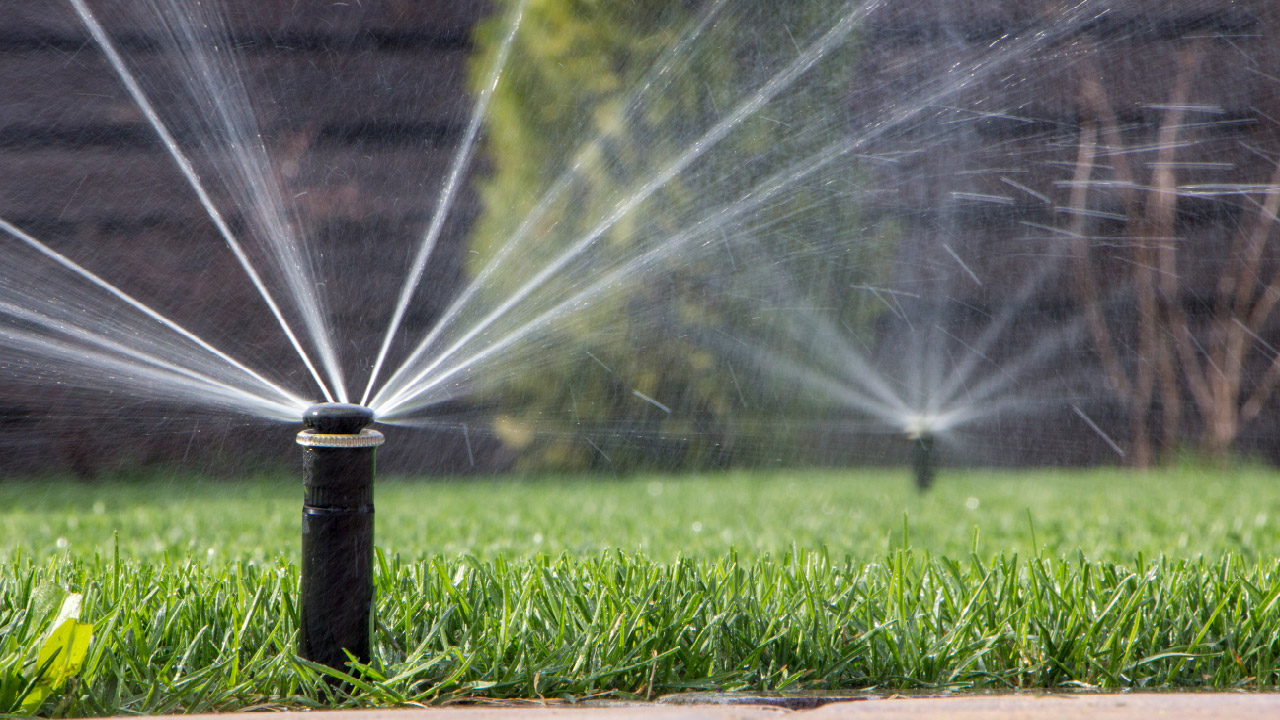
Automated lawn and garden irrigation with smart controllers that adjust watering based on weather conditions.
- Pop-up spray heads
- Rotary heads
- Smart controllers
- Rain sensors
Drip Irrigation
Efficient watering directly to plant roots, ideal for garden beds, trees, and containers.
- 90% water efficient
- Targeted watering
- Reduces weeds
- Garden bed zones
French Drains
Subsurface drainage systems that redirect water away from problem areas and foundations.
- Basement protection
- Yard drainage
- Hidden system
- Long-lasting
Rain Gardens
Beautiful, planted depressions that naturally capture and filter stormwater runoff.
- Natural filtration
- Wildlife habitat
- Attractive planting
- Eco-friendly
Components & Materials
Quality Products We Install
| Component | Description | Brands | Price Range | Lifespan |
|---|---|---|---|---|
| Smart Controller | WiFi-enabled controller with weather adjustment | Rachio, Hunter Hydrawise, Rain Bird ESP-TM2 | $200-$400 installed | 10-15 years |
| Pop-up Spray Heads | Fixed-pattern heads for small areas under 15 feet | Hunter Pro-Spray, Rain Bird 1800 | $8-$15 each | 5-10 years |
| Rotary Heads | Rotating heads for larger areas 15-50 feet | Hunter MP Rotator, Rain Bird R-VAN | $15-$30 each | 8-12 years |
| Drip Tubing | Inline emitter tubing for beds and gardens | Netafim, Rain Bird XFS, Hunter HDL | $0.50-$1.50 per foot | 10-15 years |
| French Drain Pipe | 4-inch corrugated or rigid PVC with sock | ADS, NDS, Charlotte Pipe | $15-$25 per linear foot installed | 25-50 years |
| Catch Basins | Surface water collection points | NDS, Spee-D Channel | $100-$300 each installed | 20-30 years |
Drainage Engineering
Working with Minnesota Clay
Minnesota's glacial clay soil has extremely low percolation rates, often less than 0.5 inches per hour. This means a 1-inch rainstorm that would drain through sandy soil in an hour can take 2-3 hours or longer in clay. Without proper grading and drainage, water pools on surfaces, saturates lawns, and threatens foundations.
French drains work by creating a gravel-filled channel that water prefers over dense surrounding clay. Perforated pipe collects subsurface water and carries it to discharge points away from problem areas. The key is proper slope (minimum 1% grade) and quality filter fabric that prevents soil from clogging the gravel.
For surface water issues, we install catch basins, channel drains, and grading improvements that direct water toward drainage systems or away from structures. Pop-up emitters discharge collected water at appropriate locations without creating erosion problems.
Drainage Warning Signs
Standing Water 24+ Hours After Rain
Clay soil should drain surface water within a day. Persistent puddles indicate grading issues or compaction.
Soggy or Spongy Lawn Areas
Consistently wet areas often indicate high water table or underground spring requiring French drain intervention.
Water Stains on Foundation
Mineral deposits or staining indicates water regularly contacting foundation walls. Grading and drainage corrections needed.
Basement Moisture or Seepage
Hydrostatic pressure from saturated soil pushes water through foundation. Exterior drainage is the permanent solution.
Erosion Channels in Lawn
Surface water concentrating in flow paths indicates insufficient absorption. Consider rain gardens or French drains.
Our Process
Irrigation Installation Steps
Site Assessment & Design
1-2 daysWe survey your property measuring lawn areas, bed locations, slopes, and sun exposure. Water pressure and flow rate are tested at the source. We identify drainage problem areas and design a system with proper zone coverage, head spacing, and pipe sizing.
Utility Location
3-5 day waitWe contact Gopher State One Call (811) to mark all underground utilities including gas, electric, cable, and existing irrigation. Private utilities like invisible pet fences and low-voltage lighting are also located to prevent damage during trenching.
Trenching & Pipe Installation
1-3 daysMain lines are trenched 10-12 inches deep below frost line where possible. PVC Schedule 40 mainlines connect to polyethylene lateral lines feeding each zone. Proper backfill and compaction prevents settling that damages pipes.
Head Installation & Wiring
1-2 daysSpray heads and rotors are installed at proper height with swing joints allowing adjustment. Zone valve manifolds are set in accessible valve boxes. Low-voltage control wire runs from controller to each valve with waterproof connections.
Programming & Adjustment
1 daySmart controller is programmed with zone-specific run times and schedules. Each head is adjusted for proper arc and radius. Coverage is tested and nozzles are swapped as needed. Rain sensor or soil moisture sensor is calibrated.
Investment Guide
What Affects Your Cost
Property Size
Larger properties require more zones, pipe, and heads. A typical 1/4 acre lot needs 4-6 zones; a 1-acre property may need 10-15 zones.
High ImpactWater Source & Pressure
Low water pressure may require a booster pump ($800-$1,500). Well systems need larger pressure tanks. City water tap fees vary by municipality.
Medium-High ImpactSoil Conditions
Rocky soil significantly increases trenching time and cost. Heavy clay drains slowly, potentially requiring more extensive drainage solutions.
Medium-High ImpactLandscape Complexity
Mature trees with extensive root zones, multiple garden beds, slopes, and decorative hardscape all add complexity and cost to installation.
Medium ImpactController Features
Basic timer controllers cost less than WiFi-enabled smart controllers with weather integration. Remote access and detailed reporting add value but increase cost.
Low-Medium ImpactTypical Project Costs
Lawn Irrigation System
$3,500–$8,000
1/4 acre lot with 5-7 zones and smart controller
French Drain System
$2,000–$6,000
50-100 linear feet with proper discharge
Complete Water Management
$8,000–$20,000+
Irrigation, drainage, and grading corrections
Permits & Regulations
Irrigation and drainage installations have specific regulatory requirements in Minnesota that we handle as part of our professional service.
Backflow Prevention
Minnesota requires testable backflow preventers on all irrigation systems connected to municipal water. Annual testing is required and we schedule this with certified testers.
Utility Locates
State law requires contacting Gopher State One Call (811) before any digging. We handle this process and wait the required time before excavation begins.
Discharge Permits
Drainage systems discharging to city storm sewers or wetlands may require permits. We coordinate with local watershed districts as needed.
Water Use Restrictions
Many municipalities have watering restrictions during drought conditions. Smart controllers help maintain compliance while keeping landscapes healthy.
Winterization Service
All irrigation systems we install include winterization service for the first year. Our certified technicians use commercial air compressors to thoroughly evacuate water from every component.
Schedule Early
Winterization appointments fill quickly in October. We recommend scheduling by late September to ensure your system is protected before hard freeze.
Specialized Services
Explore Our Water Solutions
Complete Water Management
Related Services
Softscape & Planting
Ensure your new plantings thrive with proper irrigation designed for their specific water needs.
Pair Irrigation with Planting ServicesRetaining Walls
Proper drainage behind retaining walls is critical for structural integrity and longevity.
Learn About Wall Drainage IntegrationService Areas
Irrigation & Drainage Near You
Questions Answered
Irrigation & Drainage FAQs
Need Irrigation or Drainage Help?
Get a free assessment of your property's water management needs.
Request Your Free Assessment