Summit Hill Landscape Architects
Specialized landscaping for Summit Hill homes. Historic mansions, Mississippi River bluffs.
Landscaping in Summit Hill
Summit Hill stands as Saint Paul's most prestigious address, where Summit Avenue's historic mansions overlook the Mississippi River bluffs. F. Scott Fitzgerald wrote his first novel here, and the neighborhood retains that literary grandeur with estates that demand equally distinguished landscapes.
Landscaping along Summit Avenue requires exceptional sensitivity to historic character. Many properties are individually listed on the National Register, and the entire district operates under preservation guidelines that influence material choices, plant selections, and design approaches. Period-appropriate gardens—formal beds, boxwood hedges, and ornamental trees—complement Victorian and Romanesque architecture.
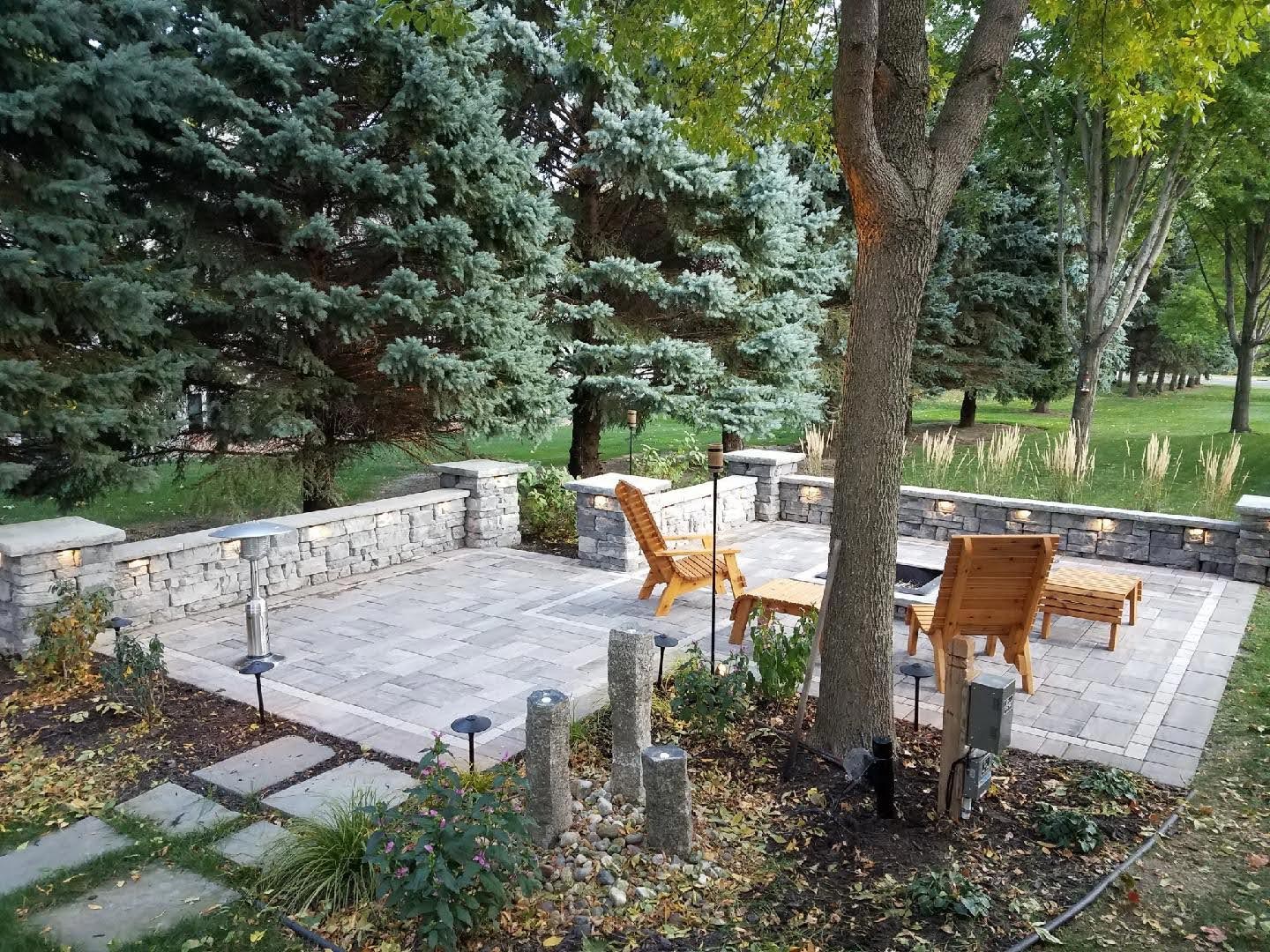
The Mississippi River bluffs create Summit Hill's defining landscape challenge. Properties perched on these dramatic slopes face erosion pressures, drainage complexities, and stability concerns that demand engineering-informed solutions. Terraced retaining walls transform steep grades into usable garden rooms while protecting foundations from the inevitable forces of gravity and water.
Summit Hill Landscaping Challenges
Bluff erosion represents Summit Hill's most serious landscaping concern. The Mississippi River bluffs underlying many properties consist of St. Peter sandstone—a beautiful but unstable formation that weathers and erodes over time. Uncontrolled water flow accelerates this process, threatening foundations, destroying landscapes, and occasionally triggering slope failures that affect entire properties.
Historic preservation requirements add complexity to every Summit Hill project. The Summit Avenue West Historic District encompasses properties with design guidelines enforced by the Heritage Preservation Commission. Material choices, fence styles, and even plant selections may require review and approval. Working within these constraints while meeting contemporary needs requires both design creativity and regulatory expertise.
The neighborhood's mature tree canopy—particularly the remaining American elms that line Summit Avenue—creates deep shade that challenges traditional plantings. Many properties struggle with moss, bare soil beneath trees, and failed lawn attempts. Successful Summit Hill landscapes embrace shade-tolerant alternatives that honor the historic canopy.
Our Summit Hill Approach
Summit Hill projects begin with geotechnical assessment for bluff-adjacent properties. We evaluate slope stability, identify erosion patterns, and design retaining systems that address both immediate aesthetic goals and long-term structural requirements. Engineering certification ensures systems meet code requirements for slopes over four feet.
Historic compliance shapes every design decision. We research each property's architectural period, identifying appropriate plant palettes, material choices, and layout geometries that satisfy both preservation requirements and contemporary functionality. Our portfolio of successful HPC approvals demonstrates our familiarity with district expectations.
Drainage engineering receives extraordinary attention on Summit Hill. Water management prevents bluff erosion while protecting foundations from the heavy clay soils that underlie most properties. French drains, rain gardens, and strategic grading direct water away from structures and toward proper discharge points.
Popular Services in Summit Hill
Services specifically suited to Summit Hill homes and landscapes
Summit Hill Landscaping FAQs
Do Summit Hill projects require historic preservation approval?
Properties within the Summit Avenue West Historic District require Heritage Preservation Commission review for landscape changes visible from public ways. This includes retaining walls, patios, fencing, and significant plantings. We prepare complete HPC applications and have extensive experience navigating the approval process.
How do you address bluff erosion on Summit Hill properties?
We begin with geotechnical assessment to evaluate slope stability and erosion patterns. Solutions typically include engineered retaining wall systems, drainage improvements that redirect water away from unstable areas, and plantings that stabilize soil. Engineering certification is required for walls over four feet.
What materials are appropriate for historic Summit Hill homes?
Natural stone (limestone, bluestone, granite), wrought iron fencing, and traditional plant palettes complement Summit Hill architecture. We avoid modern materials like concrete pavers, vinyl fencing, and contemporary plant selections that conflict with historic character.
Can you work with the steep slopes on bluff properties?
Absolutely—this is our specialty. We design terraced systems that transform unusable slopes into garden rooms, outdoor dining areas, and scenic overlooks. Proper engineering, drainage, and construction techniques ensure these systems remain stable for decades.
Ready to Transform Your Summit Hill Property?
Schedule a free consultation. We'll visit your Summit Hill home, discuss your vision, and provide a detailed proposal.